
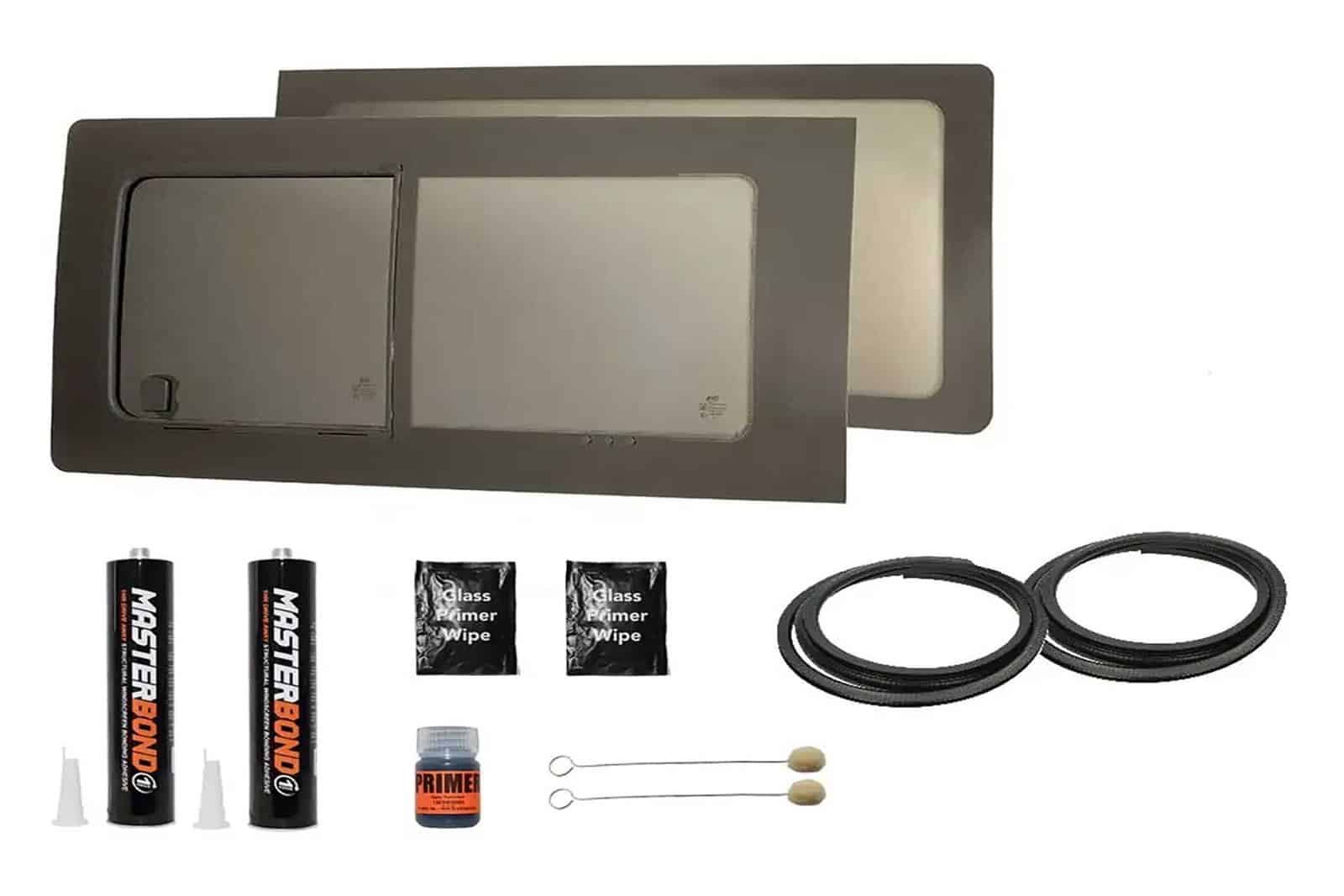
Deciding to cut a hole in the side of your van is a big moment.Deciding to cut a hole in the side of your van is a big moment. It’s right up there with installing the electrics or the diesel heater – a proper point of no return. The first question on everyone’s mind is, naturally, “How much is this going to cost me?”
When considering your options, don’t forget to evaluate the benefits and costs of different types of Van Conversion Windows.
In the UK, you’re looking at a range from £100-£400 per window for a DIY installation to £300-£700+ per window for a professional fitting. The final bill depends massively on the type of window you choose, your van model, and whether you’re brave enough to wield the jigsaw yourself.
Understanding Your Initial Investment
Let’s be clear: the price of a van window isn’t just the price of the glass. The total cost is a cocktail of parts, specialist adhesives, finishing trims, tools, and potentially, labour. Getting a realistic handle on these costs from the start is the difference between a smooth project and a build stalled by surprise expenses.
Think of this budget as your financial compass for this part of the build. It’ll guide your decisions on everything from sleek, top-hinged windows to simple fixed panes, and help you decide if going DIY is a smart saving or a disaster waiting to happen.
Key Cost Factors at a Glance
Before we get into the nitty-gritty, a few key things will immediately push your budget one way or another:
- Window Type: A simple, fixed bonded window will always be cheaper than a fancy top-hinged or sliding window that comes with integrated blinds and fly screens.
- Installation Method: This is the big one. Deciding between doing it yourself (DIY) or hiring a professional is the single largest variable. Paying for labour can easily double the total cost for each window.
- Van Model: Windows designed to fit the specific curve of a Ford Transit or VW Transporter will often cost a bit more than a generic flat window. The trade-off? A much better, factory-like fit.
- Number of Windows: Obvious, I know, but the more holes you cut, the higher the cost. That said, some suppliers offer a small discount if you buy a full set in one go.
As you can see, professional installation adds a significant chunk to the bill. What you’re paying for is expertise, speed, and the peace of mind that comes with a guaranteed, leak-proof finish. For many, that’s money well spent.
At-A-Glance Van Window Cost Summary UK Prices
To give you a clearer picture, here’s a quick breakdown of what you can expect to pay for different types of windows, comparing the DIY route with a professional install.
| Window Type or Task | Typical DIY Cost For Parts Only | Typical Professional Installation Cost Including Parts and Labour |
|---|---|---|
| Small Fixed Side Window (e.g., in a sliding door) | £100 – £200 | £300 – £500 |
| Medium Opening/Sliding Side Window | £200 – £350 | £450 – £650 |
| Large Fixed Side Window (e.g., rear quarter panel) | £150 – £250 | £350 – £550 |
| Rear Door (Barn Door) Windows (Pair) | £200 – £400 | £450 – £700 |
| Roof Vent / Skylight (e.g., MaxxAir or Fiamma) | £150 – £400 | £350 – £700+ |
| Additional Materials (Adhesive, Primer, Trim, etc.) | £40 – £80 | Included in Labour |
These figures are a great starting point for your budget. A modest build with two side windows you fit yourself might come in around the £200-£500 mark for parts. Handing that same job over to a professional could easily push the total to £800-£1,200.
Investing in high-quality Van Conversion Windows can significantly enhance your van’s aesthetics and functionality.
Remember, the window itself is just the main event. Don’t forget to factor in the cost of essential extras like bonding kits, primers, cleaners, and finishing trim. These are non-negotiable for a proper, watertight job.
Getting your head around these numbers is the first crucial step. It helps you make informed choices that balance the van of your dreams with the reality of your bank account, ensuring your build gets off to a solid, financially-sound start.
How Window Types Impact Your Total Cost
Choosing a window for your van is about much more than just the view; it’s one of the first big decisions that properly shapes your budget. Not all windows are created equal, and their design, materials, and features create a massive spectrum of prices. Think of it like buying a car: a basic model gets you from A to B, but adding a sunroof or alloy wheels sends the price creeping up.
The total van conversion windows cost is massively influenced by the type you pick. A simple, fixed pane of glass will always be the most budget-friendly starting point, but complex opening mechanisms and premium materials can easily double or triple the price for a single unit. Getting your head around these differences is the key to spending your money wisely.
Fixed Bonded Windows: The Budget Foundation
Fixed bonded windows are easily the most common and affordable choice for van converters here in the UK. They’re basically single panes of tempered glass, often with a dark privacy tint, that are bonded directly to the van’s bodywork. They don’t open, which gives them top marks for security and a sleek, factory-fitted look.
Their simplicity is their greatest strength. With no moving parts, there’s less to go wrong, and the installation is more straightforward. For popular vans like the Ford Transit or VW Transporter, you can find model-specific curved glass that fits perfectly into the side panels, often for £100 to £250 per window.
- Pros: The most affordable option, high security, sleek appearance, fewer potential leak points.
- Cons: Zero ventilation, which is a huge drawback if you plan on cooking or sleeping inside.
- Best For: Van lifers on a strict budget, or for rear barn doors where ventilation isn’t the top priority.
Sliding Windows: A Breath Of Fresh Air
Stepping up in price and practicality, we have sliding windows. These are an incredibly popular choice because they hit that sweet spot between cost and function. A small section of the glass, usually half, slides open horizontally to provide that all-important airflow. This is an absolute game-changer for ventilation, helping to slash condensation and keep the van cool.
That sliding mechanism adds complexity and, you guessed it, cost. Expect to pay anywhere from £200 to £400 for a decent quality sliding window. The price difference usually comes down to the quality of the latching mechanism and the seals, which are critical for stopping rattles and leaks when you’re rattling down a B-road.
A well-placed sliding window, especially over a galley kitchen or sleeping area, completely transforms the comfort of a van. The ability to create a cross-breeze by pairing it with a roof vent is one of the most effective ways to manage the internal temperature and air quality.
Top-Hinged And Awning Windows: The Premium Choice
Right at the top end of the market are the top-hinged or awning-style windows, the kind you often see on high-end motorhome builds. These windows hinge at the top and push outwards from the bottom, creating a massive opening that provides brilliant ventilation. One of their biggest advantages is that you can often leave them open in light rain without water getting inside.
These units are typically double-glazed acrylic, which offers much better insulation than the single-glazed glass of bonded windows. Many come as complete cassettes with integrated blackout blinds and fly screens, adding a ton of value and convenience. Of course, this premium functionality comes at a price, with costs ranging from £450 to over £600 for a single window.
Material And Feature Costs
Beyond just the way it opens, other factors will nudge the final price tag up or down. The material itself is a big one.
- Tempered Glass: This is the standard for bonded and most sliding windows. It’s tough, scratch-resistant, and shatters into small, safer chunks if it breaks.
- Acrylic (Plexiglass): Commonly used in premium top-hinged windows. It’s much lighter than glass and has better insulating properties, but it’s also more prone to scratching.
Extra features also add to the bill. A factory-applied privacy tint is a near-essential feature that adds a small premium. Integrated blinds and fly screens, while incredibly useful, can easily add £100 or more to the cost of the unit.
Ultimately, your choice comes down to balancing what you need against what you can afford. If you want to learn more about the specific models available and how they hold up in real-world builds, our guide on the best campervan windows offers detailed reviews and comparisons to help you make the perfect choice for your conversion.
Choosing Between DIY And Professional Installation
Right, you’ve picked your windows. Now for the big one, the question that’s going to have the single biggest impact on your budget: are you going to cut the holes yourself, or pay someone else to do it?
This is a classic head-versus-heart moment for every van builder. Going the DIY route is the ultimate money-saver, but it comes with the high-stakes, stomach-churning challenge of taking a jigsaw to the side of your van. On the other hand, professional installation offers peace of mind and a flawless, leak-proof finish, but that expertise comes with a hefty price tag.
Let’s break down what each path actually costs you in time, money, and stress.
The DIY Installation Breakdown
Fitting your own windows is a proper rite of passage for many van converters. The main reason, obviously, is the massive cost saving. You completely wipe out the labour charges, meaning you’re only paying for the windows and the materials needed to stick them in.
But don’t mistake that for a zero-cost job. You’ll need to budget for more than just the glass. A proper, water-tight installation demands a specific list of consumables and, unless your garage is already well-stocked, probably a few new tools.
Essential DIY Material Costs:
- Bonding Kit: This is non-negotiable. A decent kit will have a high-strength polyurethane adhesive (like SikaFlex or Tiger Seal), a surface activator, and a primer. Expect to pay £30 – £50 for a kit that’ll do a couple of windows.
- Tools: If you don’t already have them, you might need to buy or borrow a jigsaw with metal-cutting blades, a drill, a good quality caulking gun, and some clamps. This could add another £50 – £150+ to your initial spend.
- Finishing Touches: You’ll also need some knock-on edge trim to cover the sharp metal edge you’ve just created. This stuff costs around £10 – £20 per window.
When you tally it all up, a DIY job on a single sliding window might cost £200 for the window itself plus another £60 in materials, bringing your total to around £260. It’s a huge saving, but you are directly trading that money for your own time, effort, and a big dose of courage. For a complete rundown of the gear you’ll need, check out our guide on the essential tools and materials for campervan conversions.
The Professional Installation Route
Opting for a professional fitting is the path of least resistance and maximum assurance. You’re not just paying someone to cut a hole; you’re buying their experience, their specialised tools, and—most importantly—a guarantee against leaks. A botched DIY job can lead to rust and water damage that could cost thousands to fix down the line.
A professional installer has likely fitted hundreds of windows into the exact same model of van as yours. They know precisely where the structural supports are, how the panel curves, and the exact amount of adhesive to use for a perfect seal.
The cost difference is significant. Professional fitters in the UK typically charge £200-£300 per window for labour, pushing the total for a standard setup of four side windows to around £800-£1,200. In contrast, going the DIY route can slash that bill to £150-£200 per window for materials alone. This means the £260 DIY window installation we talked about earlier would likely cost closer to £450 – £550 when fitted by a pro.
Which Path Is Right For You?
The final call comes down to an honest look at your skills, your bank balance, and how much risk you can stomach.
- Choose DIY if: You’re on a tight budget, you’re confident with power tools, and you genuinely enjoy the challenge and satisfaction of learning a new skill. Meticulous research and preparation are your absolute best friends here.
- Choose a Professional if: Your budget can stretch to it, the thought of cutting into your van fills you with a cold dread, or you just want the job done quickly, correctly, and with a warranty.
Whether you’re tackling the job yourself or hunting for an expert, exploring various campervan conversion services can give you a good idea of the specialised help available across the UK. Ultimately, both paths lead to the same result: a brighter, more open van. Your choice simply defines the journey you take to get there.
The Hidden Costs Of Installing Van Windows
It’s dead easy to just look at the price of the glass and think you’ve got your budget sorted. I’ve seen it countless times – builders get fixated on the window itself and then get a nasty surprise when the bill for all the extras starts to climb. The sticker price is just the start of the story.
Getting your head around these “hidden” costs is the only way to get a true picture of your total van conversion windows cost. These aren’t just nice-to-haves; they’re the bits and pieces that make the difference between a pro, leak-proof job and a van riddled with damp and rust in a year’s time. Trust me, ignoring this stuff is a one-way ticket to regret.
Non-Negotiable Installation Materials
The biggest hidden cost, without a doubt, is the bonding kit. You absolutely cannot just grab a tube of sealant from B&Q and hope for the best. Fitting a window properly is a chemical process. You need a specific adhesive system designed to create a permanent, flexible bond between the glass and your van’s painted metalwork.
Skimping here is a massive false economy. A failed seal isn’t just an annoying drip. It’s water creeping behind your insulation and wall panels, silently rusting your van from the inside out.
A proper, high-quality bonding kit will always include:
- Polyurethane Adhesive: This is the workhorse, a seriously strong but flexible glue like Tiger Seal or SikaFlex that locks the window in place. Expect to pay £15-£25 a tube.
- Surface Activator/Cleaner: This stuff wipes away any grease or grime from the panel and chemically preps the paintwork so the adhesive can get a proper grip.
- Glass Primer: This is a black primer you paint onto the edge of the glass. It does a crucial job: protecting the polyurethane adhesive from sunlight, which would otherwise degrade the bond and cause it to fail over time.
A complete bonding kit with everything you need for one or two windows will set you back £30 to £50. This is a non-negotiable expense if you’re doing a DIY install. Don’t even think about skipping it.
The Tools For The Job
If you’re going the DIY route but don’t have a garage full of tools, you’ll need to budget for some gear. You might have a drill, but cutting a massive, clean hole in the curved metal side of your pride and joy requires a few specific bits of kit. You could easily blow an extra £100 or more if you’re starting from scratch.
Your essential shopping list will likely include:
- A decent quality jigsaw with a fresh pack of metal-cutting blades.
- A powerful caulking gun – the adhesive is much thicker than bathroom sealant.
- Drill bits to make a starting hole for the jigsaw blade.
- Clamps and masking tape to hold the window perfectly still while the adhesive cures.
Finishing Touches And Comforts
Once the window is glued in, you’re not done. You’ve now got a sharp, ugly metal edge on the inside of your van that needs covering up, both for looks and safety. This is where finishing trims come in, giving the job that clean, professional look inside.
You’ll also want to think about light and temperature. These final touches really add up but make a massive difference to how comfortable your van is to actually live in.
- Knock-On Edge Trim: This is a flexible, U-shaped rubber or plastic trim that you literally just push onto the cut metal edge. A roll big enough for a few windows usually costs £10-£20.
- Insulated Window Covers: These are essential for stealth camping and for keeping the van warm in winter and cool in summer. A ready-made set of thermal blinds for a pair of windows can cost anywhere from £60 to £150.
- Curtains or Blinds: If you prefer a more homely feel, you’ll need to budget for rails, fabric, and all the fittings, which can easily add another £50+ to your total.
Real-World Examples Of Van Window Budgets
Alright, we’ve talked about the individual costs, but theory only gets you so far. The real test is seeing how these numbers stack up in actual builds. The total van conversion windows cost isn’t just a number on a spreadsheet; it’s a big slice of your overall budget that says a lot about the kind of van you’re building.
To put it all into perspective, let’s look at the bigger picture. A detailed 2023 UK campervan build breakdown found that windows, vents, and other exterior bits cost an average of £611. That’s about 13% of a typical £4,600 total conversion. It shows just how quickly premium windows can eat up your funds, and how sticking to basic DIY options can keep things under control.
Let’s walk through three different UK-based van builds to see how these choices play out on the ground.
Budget Weekender Small Van
Think of a compact van like a Ford Transit Connect or a Citroën Berlingo. The goal here is simple: a cosy space for weekend getaways without emptying your wallet. Light and a bit of airflow are the priorities, but every penny counts.
The builder goes full DIY to wipe out labour costs entirely. They opt for a single, fixed bonded window on the sliding door for light, and a small, top-opening porthole window at the back for some essential ventilation.
- Window Choices: 1x fixed bonded side window (£120), 1x small porthole window (£80).
- Installation: DIY.
- Additional Costs: 1x comprehensive bonding kit (£40), edge trim (£15).
- Total Window Cost: £255
For a simple weekender build with an overall budget of around £3,000, this comes to about 8.5% of the total spend. It’s a smart, cost-effective way to get the essentials without over-investing in a smaller van.
Mid-Range All-Rounder Medium Van
This is the classic choice for UK converters: a medium wheelbase van like a Ford Transit Custom or a VW Transporter. The plan is a versatile camper for longer trips, striking a balance between comfort, function, and cost. Proper ventilation for cooking and sleeping isn’t just a nice-to-have; it’s a must.
Here, the builder is confident enough to tackle the installation themselves but decides to invest in better quality windows that actually open.
- Window Choices: 2x medium sliding side windows (£250 each), 2x fixed rear barn door windows (£180 for the pair).
- Installation: DIY.
- Additional Costs: 2x bonding kits (£80), edge trim (£30).
- Total Window Cost: £790
On a mid-range conversion budget of roughly £7,500, this setup works out to around 10.5% of the total. This is a very common scenario, reflecting a solid investment in making the van genuinely liveable.
This mid-range budget is where most builders land. The cost provides excellent functionality with opening windows, making the van far more comfortable in varied weather conditions without straying into the premium price bracket.
Comprehensive Off-Grid Large Van
Finally, let’s look at the big guns: a long-wheelbase Mercedes Sprinter or Fiat Ducato. This isn’t a camper; it’s a full-time, off-grid home on wheels. Insulation, security, and all-weather comfort are non-negotiable, and the budget is bigger to match.
Given the value of the van and the need for a perfect, guaranteed finish, the owner wisely opts for professional installation.
- Window Choices: 2x large, top-hinged Dometic S4 style windows with integrated blinds (£500 each), 1x small top-hinged window for a bathroom (£350).
- Installation: Professional fitting at £250 per window.
- Total Window Cost: £2,100 (approx. £1,350 in parts + £750 in labour)
For a comprehensive build costing £20,000+, this window budget makes up about 10.5% of the total spend. It’s interesting to see that even with high-end components, the relative cost stays pretty consistent, showing a proportional investment in quality.
Smart Ways To Reduce Your Van Window Costs
Being on a tight budget doesn’t mean your van has to feel like a cave. With a bit of savvy thinking, you can slash the van conversion windows cost without giving up those crucial views and a bit of fresh air. It all comes down to being strategic with your choices and resourceful with where you find your parts.
One of the best, though admittedly more adventurous, ways to save a bundle is by going second-hand. Scrapyards and breakers’ yards can be absolute goldmines for van parts, including windows from written-off vehicles. You can often find genuine, model-specific glass for a tiny fraction of what a brand-new unit would cost.
This route does require a careful eye, though. You have to give any second-hand window a thorough inspection for deep scratches, chips, or any signs of delamination creeping in around the edges. It’s also a massive help if you can get a decent cut of the surrounding bodywork, as this makes fitting it so much easier and gives you a perfect template for your own van.
Think Smart About Placement And Size
Another brilliant strategy is to have a complete rethink of your layout. Instead of dotting multiple small, expensive opening windows around the van, could you get the same result with fewer, larger panes? One big fixed window can flood the space with light for less than the cost of two smaller opening ones.
Consider these clever alternatives to the standard setup:
- Porthole Windows: These small, often circular windows are a fantastic, low-cost way to add a touch of light and character to smaller spots like a bathroom or a sleeping pod. They’re typically much cheaper than conventional van windows.
- Fewer, Larger Windows: One big, fixed window on your sliding door paired with a powerful roof vent can often provide better light and comparable airflow to a couple of pricier sliding windows.
- Strategic Ventilation: Just place a single opening window over your cooking area and rely on a roof fan for the rest of the van. This targeted approach sorts out your ventilation needs without the unnecessary expense.
Sometimes, the smartest way to save money on windows is simply to install fewer of them. A well-designed layout with one or two key windows can feel just as bright and airy as a van full of glass, but at a fraction of the cost.
More Practical Money-Saving Tips
Beyond just the windows themselves, there are plenty of other ways to keep your costs down. You’ve got to look at the entire process, from buying the materials to finishing the interior. For example, once your windows are in, you can easily make your own insulated covers. If you fancy a more traditional look, you’ll find loads of inspiration for making your own campervan curtains to save a packet on buying pre-made ones.
Keep an eye out for suppliers offering bundle deals on windows and fitting kits, and don’t be afraid to ask about any end-of-line stock they might have. Lastly, if you’re going the DIY route, try to borrow specialised tools like a heavy-duty caulking gun or a jigsaw from a friend or a local tool library instead of buying them outright for what might be a one-off job.
A Few Final Questions About Van Windows
Okay, you’re almost there. You’ve got the windows picked out, you know the budget, but a few nagging questions are probably bouncing around your head. When you’re about to take a jigsaw to the side of your van, there’s no such thing as being too certain. Let’s clear up the most common last-minute queries we hear.
Will Adding Windows Mess Up My Van Insurance?
Yes, absolutely, and this is a big one. You must tell your insurer.
Fitting windows is a major modification that often changes how your van is classified. With the DVLA, it can shift from a standard ‘panel van’ to a ‘motor caravan’. Your standard commercial van policy almost certainly won’t cover a converted vehicle, so failing to declare the windows could completely void your insurance. If you have a crash, they could refuse to pay out.
You’ll need to switch to a specialist campervan insurance provider who understands these modifications. It’s a critical step, so do it the same day the windows go in.
Is It Really Cheaper to Buy Model-Specific Windows?
It might feel like you’re paying more upfront, but trust me, buying windows made for your exact van model is almost always the cheaper and smarter move in the long run.
These windows are pressed to match the precise curvature of your van’s body panels. The result? A perfect, flush, watertight fit. A generic flat window might look like a bargain, but you’ll spend a small fortune in time, stress, and materials trying to make it work. You’ll be building custom frames and using mountains of sealant just to stop it from leaking.
All that extra faff adds cost, complexity, and a dozen new places for water to get in. Spend the extra £50 on the right window from the start – you’ll thank yourself later.
Can I Just Cut a Hole and Stick a Window Anywhere?
Definitely not, and getting this wrong is dangerous. You must never cut through the main structural pillars or supports of your van.
Before you even think about drawing a cutting line, get inside and have a proper look at the internal structure of the panel. Feel for any reinforcing ribs, pillars, or hidden wiring looms. The big, flat, open areas on the sliding door and the panel directly opposite are the go-to spots for a reason – they’re structurally safe to cut.
If you have even the slightest doubt, stop what you’re doing and ask a professional converter for advice. This is one part of the build you don’t want to mess up.
At The Feral Way, we provide real-world guides and tested advice for every stage of your build. For more in-depth tutorials and honest gear reviews, explore our resources at https://www.theferalway.com.