
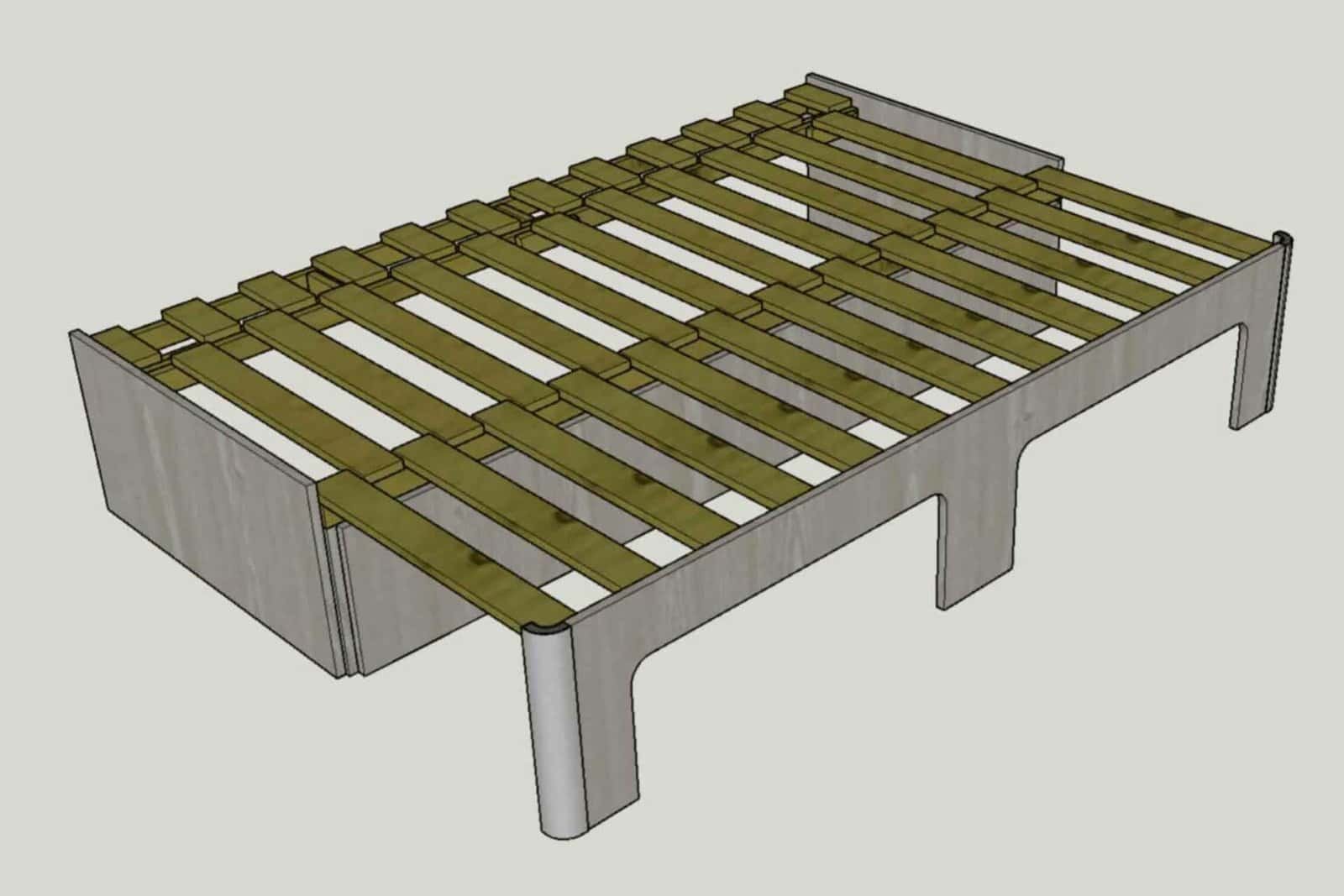
Your van conversion bed frame isn’t just a place to sleep—it’s the absolute cornerstone of your entire layout. It dictates your storage, defines your living space, and ultimately determines how comfortable you are on the road. Think of it as the architectural heart of your mobile home. This guide will walk you through the process of Building Your Van Conversion Bed Frame.
Designing a Bed Frame for Your UK Van Layout
Before you even think about cutting a single piece of timber, you need a solid plan. This is the stage where you save yourself from future headaches and the pain of a costly rebuild. The decision you make on your bed frame will ripple through every other choice, from where the kitchen unit goes to how much gear you can actually bring with you. Don’t rush this part.
The UK camping scene is absolutely booming, with experts forecasting a 9% value growth by 2026. With over 8.4 million vehicles expected to hit campsites this year, smart, functional campervan setups are in high demand. It’s no surprise that in a recent survey, 52% of UK van owners said their bed platform was the number one factor for overall satisfaction. A massive 78% of them opted for multi-use designs that create 200-300 litres of crucial under-bed storage—a must for packing everything you need for a proper UK road trip.
Measure Twice, Build Once
First things first: your van is not a perfect rectangle. It’s full of curved walls, intrusive wheel wells, and structural ribs that you have to account for. Grab your tape measure and a notepad, and get ready to know the back of your van intimately.
- Width: Measure the width at several different heights—right at the floor, about midway up, and then again near the ceiling. That narrowest point is what will limit the maximum width of any fixed frame.
- Length: You need to decide if you’ll sleep across the van (east-west) or along its length (north-south). This usually comes down to your height and your van. A wide-body van like a Ford Transit gives you options a VW Caddy simply can’t.
- Height: What are you planning to store underneath? If you’ve got mountain bikes, surfboards, or climbing gear, your bed platform needs to be high enough to create a functional ‘garage’ space.
Your bed height is a classic trade-off. Go high, and you get masses of garage storage, but you sacrifice headroom for sitting up in bed. Go low, and the sleeping area feels much more spacious, but you drastically cut down on what you can fit underneath.
Fixed vs. Convertible: A Core Decision
The biggest fork in the road is choosing between a permanent, fixed bed and a convertible design that cleverly transforms into seating. There’s no single right answer here—only what’s right for your travel style. If you’re wrestling with this, our guide on designing the perfect campervan layout is a great place to start.
A fixed platform bed is all about simplicity and huge storage potential. After a long day of hiking, it’s always ready for you to crash, and the garage space it creates is second to none. The downside? It permanently takes up a huge chunk of your van’s footprint, leaving you with less room for a dedicated living area.
On the other hand, a convertible sofa-bed is the undisputed champion of smaller vans. It gives you a wonderfully versatile daytime space for working, eating, or just chilling out. The trade-off is the daily ritual of making and unmaking your bed, not to mention a more complex build. Be honest with yourself about your priorities: do you crave maximum storage, or is a flexible living space more important? Your answer will shape your entire build.
Choosing the Right Materials and Tools for Your Build
Picking the right materials for your bed frame is one of those make-or-break decisions in a van build. It’s a careful balancing act between weight, durability, and of course, your budget. This isn’t just about grabbing some timber from B&Q; you’re building a foundation that has to handle the constant vibration of UK roads and fend off our notoriously damp climate.
Every kilogram counts when it comes to your van’s payload, so lightweight yet strong materials are your best friend. While cheap plywood looks tempting on the shelf, it often lacks the guts for a really solid bed frame that will last for years of adventures.
There’s no getting around it—van conversion costs in the UK have gone through the roof. The price of a base van alone has shot up by a staggering 76%, blowing general inflation out of the water. Your bed frame can easily eat up 15-20% of your entire self-build budget, which could mean splashing out £1,500-£3,000 for a proper setup in a popular van like a Transit or Vivaro. Ditching the expensive pre-made kits and building your own can save you a good 30%, especially if you make smart choices like using 18mm birch ply with quality hardware.
Selecting Your Core Frame Materials
When it comes down to it, you’re looking at two main contenders for your bed frame: traditional timber or a more modern aluminium profile system. Each has its own pros and cons, and the best choice really depends on your priorities, skills, and how you plan to use the van.
Timber Framing
Timber is the classic, go-to choice for a reason. It’s affordable, forgiving for first-time builders, and you can work it with a pretty standard set of tools.
- Best Wood Choice: Don’t just grab any old batten. Look specifically for C24 graded structural timber, usually sold as 2×2 or 2x3s. This grade is a guarantee of strength, and it’s kiln-dried, which seriously reduces the chance of it warping once it’s in your van.
- Platform Material: 18mm Birch Plywood is the undisputed champion here. It’s incredibly strong, holds screws like a bulldog, and is miles more stable than cheaper spruce or pine ply. If you’re building in an area that might get damp, splashing out on marine-grade plywood is a smart move to avoid long-term delamination and mould issues.
Aluminium Profile Framing
Often called 80/20 or T-slot aluminium, this stuff is basically a grown-up’s Meccano set. It’s a lot lighter than timber and completely immune to moisture, which is a huge plus in the UK.
- Key Benefit: The real magic is its high strength-to-weight ratio. You can create designs that span the entire width of the van without needing any central support legs, which totally opens up your ‘garage’ space underneath.
- Consideration: It’s not cheap. The material itself costs more, and you’ll need a whole system of specific connectors and bolts, which all adds up. There’s a bit of a learning curve, but the results can be fantastic. Understanding different van racking metal solutions can give you some great ideas for building something seriously robust.
Choosing the right material is a big decision that impacts everything from your van’s weight to how you’ll build the rest of your layout.
Bed Frame Material Comparison for UK Van Builds
Here’s a quick rundown of the common materials, comparing them on the key factors for a UK van build.
| Material | Typical Cost (per 8×4 sheet/metre) | Weight Impact | Durability & Moisture Resistance | Best Use Case |
|---|---|---|---|---|
| C24 Structural Timber | £3-£5 per metre | Moderate-High | Good, but needs sealing/treating | Budget-friendly, classic fixed frames. Great for beginners. |
| Birch Plywood (18mm) | £70-£120 per sheet | Moderate | Excellent strength, fairly moisture-resistant | The go-to for strong, stable bed platforms and furniture. |
| Marine Plywood | £100-£160 per sheet | Moderate | Exceptional. Resists delamination and rot. | Areas with high moisture risk or for ultimate peace of mind. |
| Aluminium Profile | £15-£30 per metre | Low | Excellent. Won’t rust or warp. | Lightweight builds where maximising garage space is critical. |
Ultimately, a lot of builders end up using a combination—a timber frame for its ease of use and an 18mm birch ply top for its unbeatable strength.
Essential Tools for the Job
You don’t need a fully kitted-out workshop to build a great bed frame, but a few key tools will make your life a hundred times easier and give you a much cleaner result.
The Must-Haves
- A Good Jigsaw: Absolutely vital for cutting curves to fit around your van’s wheel wells or scribing panels perfectly to those wonky van walls.
- Cordless Drill/Driver: You will drill hundreds of pilot holes and drive even more screws. A decent combi drill is a non-negotiable part of your toolkit.
- Tape Measure & Carpenter’s Square: Accuracy is everything. The old “measure twice, cut once” mantra is a lifesaver for a reason.
- A Set of Clamps: They’re like having an extra pair of hands, holding everything steady while you screw it all together.
The Nice-to-Haves
- Pocket Hole Jig: This little gadget is a game-changer for creating super strong, hidden joints without needing any fancy joinery skills. Perfect for building sturdy frames quickly.
- Circular Saw or Track Saw: If you want perfectly straight, clean cuts on your big plywood sheets, this is the tool for the job.
- Router: Great for finishing touches, like rounding over the sharp edges of your plywood platform for a professional, splinter-free feel.
Pro Tip: Don’t skimp on the hardware! If your design includes folding or convertible sections, invest in heavy-duty hinges and proper latches that won’t rattle loose. For any lift-up panels to access storage, gas struts are a brilliant addition—they’ll hold the bed platform up for you, saving your back and your head. For a more detailed look, check out our guide on the essential tools and materials for campervan conversions.
How to Build Three Popular Van Bed Designs
Right, let’s get to the fun part—the bit where sawdust flies and your van conversion bed frame actually starts to look like something. I’m going to walk you through three of the most popular and practical bed designs I’ve seen and built in UK vans. The focus here is on methods that you can tackle yourself without needing a pro workshop.
Before you even think about picking up a saw, remember this: preparation is everything.
Honestly, getting this sorted first will save you so many headaches and frustrating trips back to the hardware shop.
Building a Fixed Platform Bed
The fixed platform bed is a true workhorse. It’s solid, straightforward to build, and gives you that massive ‘garage’ space underneath. It’s perfect for stashing bikes, climbing gear, or whatever else your adventures demand. This design is an absolute classic for medium-to-large vans like the Ford Transit or Vauxhall Movano.
First up, you’ll build the main support legs. I use C24 graded 2×3 timber for this. You’re basically creating two chunky rectangular frames that will sit over your wheel wells—these will take most of the weight. You can join them with simple butt joints and long wood screws, but if you have a pocket hole jig, use it. It creates incredibly strong, hidden joints that look much cleaner.
Next, you need to connect those two leg frames with horizontal support beams. These are what your plywood platform will actually sit on. For a standard double bed, three or four beams spaced out evenly should do the trick. Get them fixed securely to your leg frames, making sure everything is square and level. Don’t forget to measure the van’s internal width at your chosen bed height to get these cross-members spot-on.
With the frame sorted, it’s time for the platform. A sheet of 18mm birch plywood is my go-to for its strength-to-weight ratio.
- Measure and Cut: Carefully measure the top of your frame and cut the plywood to size. You’ll almost certainly need a jigsaw to scribe the edges to fit the curved van walls or go around the rear pillars.
- Ventilation: This is non-negotiable, especially with the UK’s damp climate. Drill a series of large holes (around 50mm) across the entire plywood sheet. This allows air to circulate under the mattress and stops mould from setting in.
- Secure the Platform: Lay the plywood on top and screw it down every 20-30cm. This final step ties the whole structure together, making it rock solid.
The last thing to do is bolt the entire bed frame to the van’s structural metal ribs. Use high-tensile bolts with large washers or proper backing plates to spread the load. Whatever you do, don’t just screw it into the van’s thin plywood lining!
Assembling a Convertible Sofa Bed
For smaller vans like the Ford Transit Custom or a VW Transporter, a sofa-bed is a game-changer. You get a proper seating area for daytime chilling and a full-size bed at night, all without sacrificing your entire living space.
The heart of this design is usually two static bench seats facing each other. In the middle, you’ll have a removable table that drops down to form the central part of the bed. Start by building the frames for these two benches using 2×2 timber. They’re essentially just strong boxes.
Pay close attention to the height of the benches. They need to be comfortable for sitting (around 45cm high including your cushions is a good starting point) but also perfectly level with the ledges that will support the bed. On the inside face of each bench, fix a sturdy timber ledge. This is what the table and extra slats will rest on when you’re in bed mode.
A common mistake is over-complicating the mechanism. The simplest designs are often the most reliable. A basic drop-down table and a couple of loose slats is a bomb-proof system that’s easy to use day in, day out.
Now, make the panel that serves as both your tabletop and the middle bed base. A piece of 18mm plywood is perfect for this. It will rest on those ledges you’ve just installed. For its life as a table, a single, removable leg works a treat.
To complete the full bed platform, you’ll need a few extra slats, also cut from 18mm plywood, to fill the gaps between the tabletop and the benches. When it’s bedtime, you just pop the table leg off, drop the tabletop onto the ledges, and slot in the extra slats. Your mattress, which is usually three or four custom-cut foam cushions, is then rearranged to create a flat sleeping surface. Easy.
Creating a Versatile Modular Bed System
A modular or removable bed system offers incredible flexibility. This approach is brilliant if your van has to be a workhorse during the week and an adventure wagon on the weekend. The whole bed can be put in or taken out in just a few minutes.
This design is often made up of three or more interlocking boxes or frames. Each module needs to be strong enough on its own but light enough for one person to lift. I build these with 18mm birch plywood, using pocket hole screws and wood glue to make them as rigid as possible.
The magic of this system is in how the pieces fit together. A popular way to do it is with three large boxes:
- Box One & Two: These sit on either side of the van, often fitting neatly over the wheel wells. Add hinged lids, and they instantly become handy storage benches.
- Box Three: This central box is built to slot perfectly between the first two. It locks them in place and creates a large, flat platform for your mattress.
To make the setup even more secure, I like to use furniture connector bolts or over-centre latches to physically clamp the modules together once they’re inside the van. This completely stops any squeaking or shifting when you’re on the move.
The real beauty here is adaptability. You can take out the middle section to create a U-shaped seating area, or just pull all the modules out to get your full cargo space back. And it’s a popular choice for good reason. In 2025, it’s estimated that 10.4 million people in the UK are planning camping holidays—a huge 73% jump from the previous year. For these builds, the bed frame is the heart of the home. At The Feral Way, we’ve tested fixed frames in VW vans that easily support 150kg of sleepers plus 50kg of gear, all while being MOT-compliant. You can find out more about the surge in UK camping holidays and what it means for van builds. This modular approach is a fantastic way to meet the varied demands of modern van life.
Integrating Smart Storage and Utilities
Your van conversion bed frame is so much more than a place to sleep—it’s the functional core of your entire build. A truly clever design weaves in storage and utilities right from the start, transforming a simple platform into the hardest-working feature in your van. This is where you claw back lost space and make your small home incredibly liveable.
Thinking about these integrations before you even cut the first piece of wood is absolutely crucial. Trust me, trying to retrofit drawers or run wiring into a finished frame is a nightmare of awkward angles and pure frustration. Planning now means you can build a bed that isn’t just a frame, but a fully integrated command centre for your living space.
Building In Practical Storage Solutions
The space under your bed is prime real estate. Leaving it as one giant, open cavern is a missed opportunity that almost always descends into a chaotic mess of gear. A little bit of structure goes a very long way in making this area genuinely useful.
One of the best upgrades you can make is building a full-length pull-out drawer system. Just imagine sliding out a massive drawer from the rear doors, giving you instant access to your camping chairs, tools, or cooking kit without ever having to crawl inside.
To pull this off properly, you’ll need:
- Heavy-Duty Drawer Runners: Don’t skimp here. Look for runners rated for at least 100kg, and ideally, find ones that lock when fully open and closed. This stops them from sliding about on hills.
- A Solid Drawer Box: Build the drawer itself from sturdy 12mm or 18mm plywood. You want it to be robust enough to handle the weight of your gear and the abuse of being pulled in and out repeatedly.
A simple but effective technique is to partition your garage space. A fixed plywood divider can create a dedicated spot for your electrical system, keeping it safely separated from wet, muddy outdoor equipment.
Optimising every inch of your van is the name of the game, and integrating storage directly into your bed frame is a winning strategy. This guide on bed frame with storage solutions has some fantastic principles that you can easily adapt for a van build, showing how thoughtful design can truly maximise your space.
Planning for Utilities and Comfort
Beyond just stashing your gear, your bed frame is the perfect place to neatly integrate essential utilities. This keeps them tucked out of sight but easily accessible, creating a clean and functional living environment. Thinking ahead about your wiring and ducting is key.
Before you screw down the final plywood platform, run the necessary wiring for any electrical bits you want in your sleeping area. This is by far the easiest time to route cables neatly and safely.
Consider adding a few of these features:
- 12V USB Ports: Installing these right by the bed for charging phones and devices overnight is a small touch that makes a massive difference to daily life.
- Reading Lights: A couple of low-wattage, adjustable LED reading lights can make your sleeping area feel much more like a proper bedroom.
- Heating Ducts: If you’re fitting a diesel heater, route one of the hot air ducts to vent near the bed. This is an absolute game-changer on cold, damp UK mornings, creating a warm and cosy sleeping pod.
The Critical Role of Mattress Ventilation
Finally, let’s talk about a non-negotiable step for any UK van build: mattress ventilation. The combination of our damp climate and the moisture your body releases overnight creates the perfect breeding ground for mould and mildew right under your mattress.
Ignoring this will lead to a musty-smelling van and can completely ruin an expensive mattress. Luckily, the fix is simple.
- Drill Ventilation Holes: Grab a hole saw and drill a pattern of large (50mm or 2-inch) holes across your entire plywood bed platform. This lets air circulate freely underneath.
- Use Slats: Alternatively, you can build a slatted base, just like a bed at home, which provides brilliant airflow.
- Consider a Ventilation Mat: For ultimate peace of mind, an under-mattress ventilation mat creates an air gap that physically separates the mattress from the platform, guaranteeing moisture can escape.
By integrating these smart storage and utility features, you elevate your bed frame from simple furniture to a masterful piece of campervan engineering. It becomes the strong, silent hub that makes your van a truly comfortable and practical home on wheels.
Getting Your Frame Secured and Picking a Mattress
You’ve put in the hard work and built a solid, well-crafted bed frame. But all that effort is for nothing until it’s properly anchored to the van itself. This isn’t just about stopping an irritating squeak; it’s a non-negotiable safety step for roadworthiness and getting through your MOT.
Simply screwing your frame into the plywood floor is a massive mistake. It offers zero real security if you have to slam on the brakes.
To get this right, you have to fix your frame directly to the van’s structural metal. That means anchoring into the chassis or the vertical metal ribs that make up the van’s skeleton. This creates a solid connection that can handle the powerful forces of a moving vehicle, keeping your heavy bed—and everything under it—exactly where it’s supposed to be.
Anchoring Your Frame to the Van
The aim here is to create a rock-solid, metal-to-metal connection. How you do it will vary a bit depending on your van and frame design, but the principles are always the same.
- Rivnuts (or Plusnuts): These are a bit of genius. They let you create a threaded hole in thin sheet metal. You drill a hole into a structural rib, pop in the rivnut with a special tool, and you’ve got a strong, permanent point to bolt into. They’re perfect for securing bed frames to the van walls.
- High-Tensile Bolts: For the absolute strongest connection, you can’t beat drilling straight through the van floor and bolting directly into the chassis. Just be sure to use large spreader plates or washers on the underside to distribute the load and stop the bolt from ever pulling through the metal.
A critical pro tip: Use nyloc nuts or a thread-locking compound like Loctite on every single bolt. The constant vibration of the road is surprisingly effective at working standard nuts loose over time. The last thing you want is your bed frame slowly disassembling itself as you’re cruising down the M6.
Choosing Your Perfect Mattress
With your frame locked firmly in place, it’s time for the final, crucial piece of the puzzle: the mattress. This choice has a huge impact on your comfort, your available headroom, and even the moisture levels inside your van. There’s no single “best” answer, so you’ll need to weigh up the options.
Foam Types Explained
Most van mattresses are foam, but it’s a surprisingly complex world.
- High-Density Polyfoam: This is a fantastic, budget-friendly choice that’s often used as a firm base layer. It gives you excellent support but can feel a bit too hard on its own.
- Memory Foam: Famous for that “sinking in” feeling, a memory foam topper adds a real layer of luxury. The only downside is that it can trap body heat, which is something to think about in a small, insulated space.
- Latex Foam: Natural latex is incredibly durable, breathable, and hypoallergenic. It’s brilliant, but it’s also the priciest option by a fair margin.
From my experience, a great combination is a firm, high-density foam base (10-12cm) topped with a softer layer of memory foam (3-5cm) for that touch of comfort. If you want to dive deeper into all the pros and cons, our detailed guide will help you find the best campervan mattress for your specific setup.
Plenty of UK companies offer cut-to-size foam services, which is a lifesaver for getting a mattress that perfectly fits the odd shapes and sizes of a van.
One final thought: if you’re making cushions for a convertible sofa-bed, go for a firmer grade of foam. This way, they hold their shape for sitting but are still comfy enough for a good night’s sleep. And always get a durable, breathable, and removable cover—it’s essential for keeping things fresh on the road.
Got Questions About Your Van Bed? We’ve Got Answers.
No matter how solid your plans are, you’ll always hit a few head-scratchers during a build. Let’s run through some of the most common questions we get asked about building a van bed frame. Getting these details sorted is often the difference between a comfortable, practical setup and one that drives you mad on the road.
We’ll cover the little things that are easy to miss until you’re halfway through a pile of sawdust, giving you clear answers to get your build finished without a hitch.
How High Should I Build My Bed Frame?
Honestly, there’s no magic number here. The perfect bed height is all about striking a balance between under-bed storage space and having enough headroom to sit up comfortably. It really comes down to what you prioritise.
A good way to figure this out is to put your mattress on the van floor and have a sit. Get someone to measure from the floor to the top of your head, then add a couple of inches so you’re not scalping yourself on the ceiling. That measurement is your minimum height for a comfortable seated position.
But, if you’re planning to haul bulky gear like mountain bikes or big storage totes, their size dictates your bed height. Simple as that.
My two cents: Always measure your biggest bit of kit first. If your bike needs 80cm of clearance to slide underneath, that’s your starting point. Design the bed around your gear, not the other way around.
What’s the Best Wood to Use for a Campervan Bed?
For the bed platform itself, you can’t beat 18mm birch plywood. It’s the go-to for a reason, especially with the damp UK climate. Its layered construction is incredibly strong, holds screws like a champ, and won’t warp and twist like cheaper ply will after a few chilly nights.
When it comes to the structural frame, you’ll want to look for C24 graded timber. It’s usually sold as 2x2s or 2x3s. This grading means it’s strong, and more importantly, it’s been kiln-dried. That’s crucial for stopping it from warping once it’s built into your van.
Do I Really Need to Ventilate Under the Mattress?
Yes. One hundred percent, yes. This is probably the single most overlooked step in a self-build, and it’s a critical one. You release a surprising amount of moisture when you sleep, and it gets trapped between your mattress and the solid wood base.
That trapped moisture is a breeding ground for mould and mildew, which will wreck a good mattress and create a really unhealthy sleeping space. Thankfully, the fix is easy:
- Drill a pattern of large holes (around 50mm or 2 inches) across the plywood base.
- Build a slatted base, just like you’d find on a bed at home.
- Install a special under-mattress ventilation mat that creates a permanent air gap.
How Can I Make My Bed Frame Strong but Lightweight?
The trick is clever design, not just throwing more wood at the problem. You don’t need a massively overbuilt frame to get the strength you need; it’s about putting the support where it counts.
Think minimalist. A solid perimeter frame with one or two well-placed cross-braces is usually plenty. The 18mm birch plywood on top does a brilliant job of spreading the weight across that structure. Using pocket holes for your joints also creates ridiculously strong connections without needing chunky metal brackets.
If you want the best strength-to-weight ratio and have the budget, an aluminium profile frame is a fantastic option. It’s lighter than wood and completely moisture-proof, but it will cost you a fair bit more.
At The Feral Way, we’re all about practical, no-nonsense advice for your UK van conversion. From scribbling designs on a napkin to tightening the last screw, we’ve been there and can help you build a campervan that actually works. You can find more of our tested builds and guides over at https://www.theferalway.com.